PEACE Symposia
Pacific Series
PEACE Symposia: A Collegial Network for Asia–Pacific Scientific Convergence
PEACE Symposia was conceived not as a single meeting, but as a living collegial network—one that reflects the scale, diversity, and ambition of science in the Asia–Pacific region. In a landscape where expertise is often distributed across countries, disciplines, and institutions, PEACE Symposia exists to connect leaders, align complementary strengths, and enable collaboration that is deeper than occasional conference encounters.
Our Story:
At its core, PEACE Symposia is organized by scientific leaders across the region, including Arutha Kulasinghe, Ruby Huang, Joe Poh Sheng Yeong and Somponnat Sampattavanich. These individuals represent different national systems, research cultures, and clinical environments, yet share a common belief: that the most impactful advances in biomedical science and medicine in Asia–Pacific will emerge through trust-based, long-term regional collaboration rather than isolated excellence.
The name PEACE reflects both philosophy and practice. It embodies Partnership across borders, Exchange of ideas and talent, Acceleration of translational impact, Collegial leadership, and Enduring collaboration. Rather than competing for visibility or ownership, PEACE Symposia emphasizes shared stewardship—creating spaces where ideas can move freely, junior investigators can access senior mentorship, and institutions can co-develop programs that none could sustain alone.
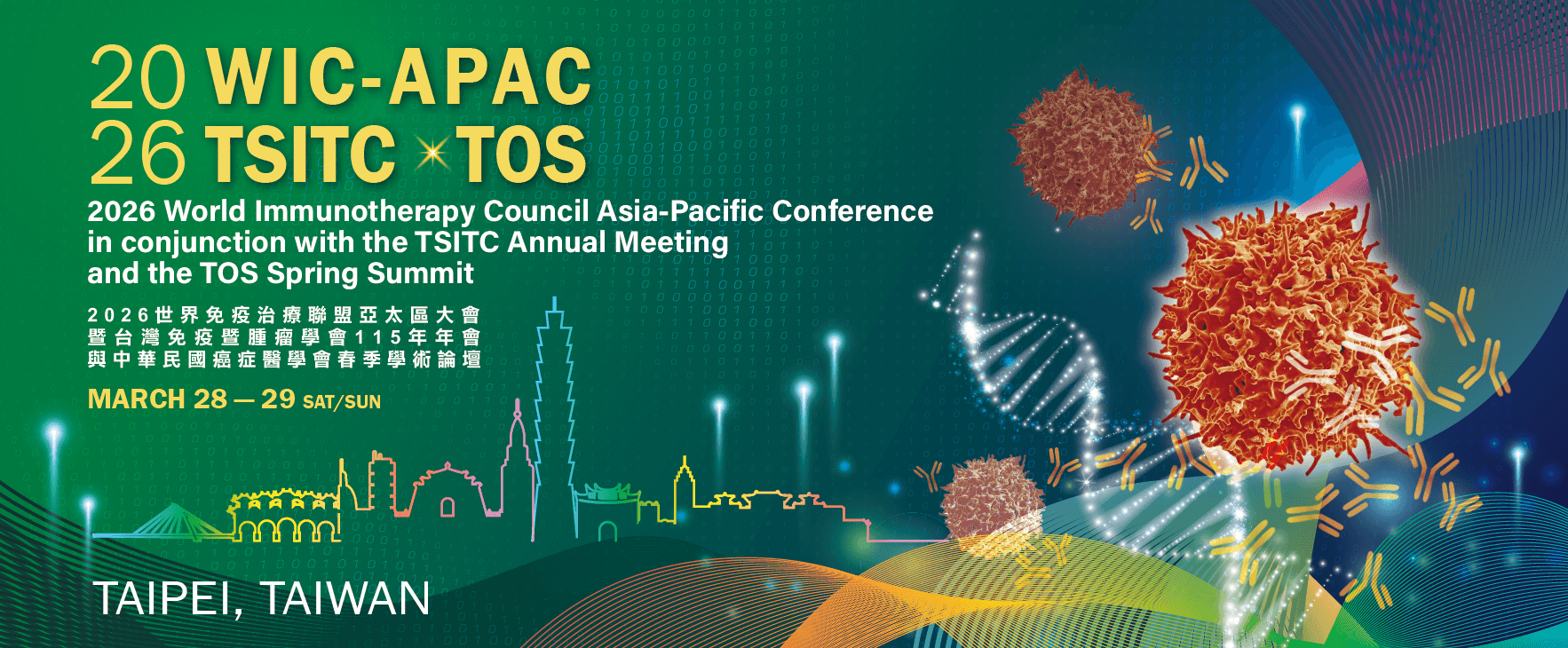
The PEACE Symposia framework operates through a constellation of aligned conferences and initiatives, each with its own identity but united by common values and cross-participation. Flagship meetings such as AP-SciBio serve as anchors for spatial biology and single-cell innovation, while platforms like Multiomics and WIC-APAC expand methodological and leadership dimensions. Established regional forums such as APSOT are embraced not as parallel efforts, but as partners within a broader ecosystem. Together, these meetings form an interconnected series—linked by recurring faculty, shared trainees, collaborative sessions, and joint outputs.
What distinguishes PEACE Symposia from conventional conference branding is its commitment to continuity. Discussions initiated in one meeting are intentionally revisited and advanced in subsequent gatherings. Multi-country research ideas evolve into consortia; pilot data becomes coordinated grant applications; and shared technological challenges—whether in spatial biology, pathology, or translational pipelines—are addressed collectively. Over time, this rhythm transforms meetings into milestones of an ongoing regional conversation.
Equally important is PEACE Symposia’s emphasis on human connection. By fostering collegiality rather than hierarchy, the network creates an environment where emerging investigators from Thailand, Singapore, Australia, Taiwan, Korea, Japan, and beyond can engage directly with regional leaders. This culture of openness strengthens not only scientific rigor, but also resilience—ensuring that Asia–Pacific science grows as a cooperative force capable of addressing complex biomedical challenges at scale.
Looking forward, PEACE Symposia is intentionally open-ended—designed to expand beyond its current conferences and to welcome new disciplines, institutions, and generations of leaders. As the Asia–Pacific region continues to rise as a global center of biomedical innovation, PEACE Symposia stands as a unifying platform: one that transforms geographic proximity into strategic partnership, and individual excellence into collective impact.
Upcoming conferences: